News
Rustling Leaves and Traffic Noise: Alpine Soundscapes
29 Apr 2026
Uta Schirpke researches soundscapes in the Bavarian Alps. About human noise - and when we actually still hear nature.

29 Apr 2026
Uta Schirpke researches soundscapes in the Bavarian Alps. About human noise - and when we actually still hear nature.

Human-made noises are penetrating ever further into the most remote regions of the Alps. | © Linda Wagner
What can you hear right now? Traffic noise outside the window? Colleagues chatting in the office? The wind in the trees, or perhaps the clatter of keyboards?
Most of the sounds surrounding us in modern life are human-made. In our bustling cities, the dense urban soundscape is gradually drowning out the subtler sounds of the natural world. What’s more concerning is that this is no longer just a “city problem.” Human-generated sounds are steadily creeping into even the most remote areas. Prof. Uta Schirpke and Manuel Ebner analyzed the soundscapes of more than 40 locations around Garmisch-Partenkirchen in Bavaria and found: even in seemingly pristine alpine locations, we are losing our acoustic connection to nature.
What are Soundscapes
A soundscape is the acoustic equivalent of a landscape. Just as a landscape encompasses everything you see, a soundscape includes everything you hear. Researchers categorize these sounds into four distinct groups:
How to research Soundscapes
The team installed 41 measuring points across various habitats, including moors, forests, alpine pastures and meadows, and rocky areas. The scale of the data was massive: After cleaning the files, the researchers were left with over 146,000 one-minute recordings. That is roughly 102 days of continuous audio. By sub-sampling and analyzing 820 specific files, they were able to pinpoint exactly which sounds dominated which environments.
What they found out
Why this matters
Prolonged exposure to such noise can increase stress levels and negatively affect cognitive and physiological functioning. There is also a more subtle consequence: as we become accustomed to artificial noise, our ability to perceive and distinguish natural sounds, like birdsong, wind, or running water, diminishes.
Even animals are impacted by constant noise: Many species, like birds, rely on their voice for communication, navigation, and survival. Noise pollution can disrupt feeding behavior, reproduction, and overall ecosystem functioning.
What we can do
Addressing noise pollution requires action at multiple scales. At the policy level, measures such as transportation regulations, vehicle restrictions, and the designation of quiet zones can significantly reduce noise exposure. Locally, physical interventions like sound barriers or strategically placed vegetation can help buffer major noise sources.
On an individual level, we can start by listening more consciously. Can you hear birds? The rustle of leaves? Flowing water nearby? Paying attention to natural sounds in our daily lives can reduce stress – and perhaps help us reconnect with the environments we inhabit.
Read more on Uta Schirpke's research on sounscapes
0:22 | 30 Apr 2026
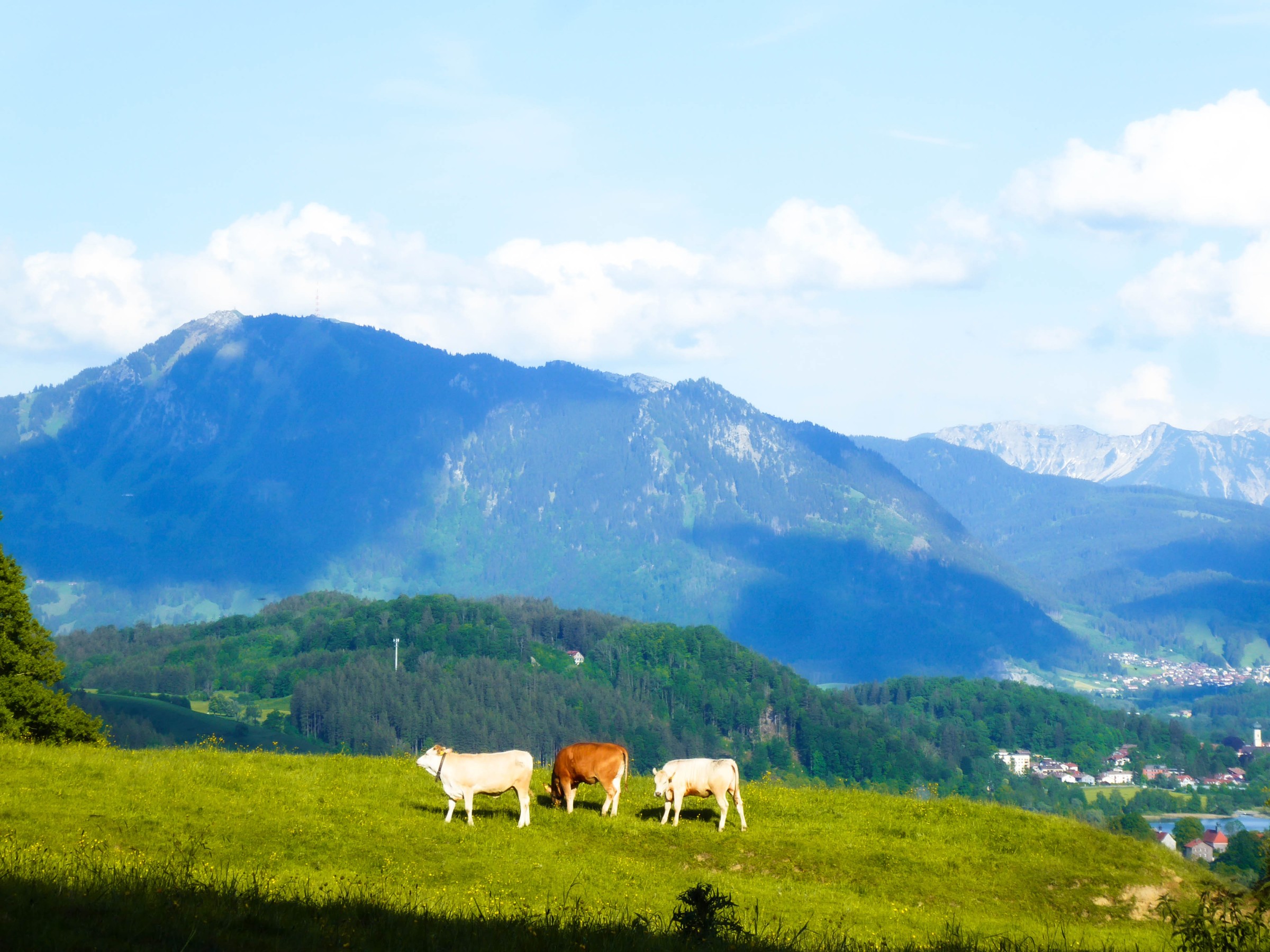
During the day, human-made sounds, such as cattle noises, dominate the alpine soundscape. Only during the night, natural Geo- and Biophony take over.
© Uta Schirpke